Nigeria is a diverse nation located in West Africa, known for its rich tapestry of cultures, languages, and natural landscapes. The country is divided into six geopolitical zones: North Central, North East, North West, South East, South South, and South West, each possessing unique characteristics that contribute to Nigeria's overall identity.
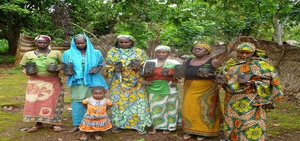
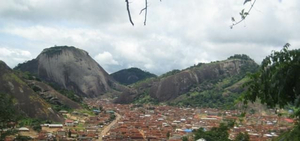
The North Central region, often referred to as the Middle Belt, is known for its diverse ethnic groups, including the Gwari, Gbiri-Nigwe, and the Bariba people. This region features beautiful highlands, valleys, and a significant agricultural sector. The federal capital territory, Abuja, is also situated here, making it a hub for political activities and national governance.
The North East is characterized by its cultural richness and historical significance, being home to the Kanuri and Fulani tribes. Known for its arid climate and rolling hills, this region faces challenges such as insecurity due to insurgency but is also recognized for its resilience and hospitality.
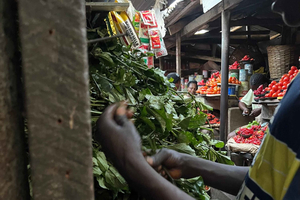
The North West is one of the most populous regions, prominently featuring the Hausa and Fulani cultures. This region is famous for its vibrant markets, traditional music, and festivals. Cities like Kano and Kaduna are historical trade hubs, showcasing Nigeria's rich history and commerce.
Moving to the South, the South East is predominantly inhabited by the Igbo people, renowned for their entrepreneurial spirit and cultural heritage. This region offers beautiful landscapes, traditional crafts, and a strong sense of community. Festivals like the New Yam Festival celebrate their agrarian lifestyle and cultural practices.
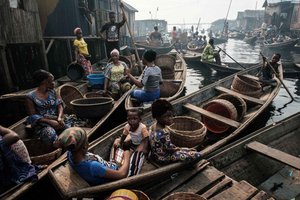
The South South region is known for the Niger Delta, a vital area for Nigeria's oil production. This region features ethnic groups such as the Ijaw and Itsekiri, who have a profound connection to their land and waterways. The area's lush mangroves and wildlife diversity are highlights for nature lovers and eco-tourists alike.
Lastly, the South West is home to the Yoruba people, famous for their rich cultural practices, including music, dance, and art. Cities like Lagos, the largest city in Africa, and Ibadan, one of the oldest cities in Nigeria, are located here. This region is an economic powerhouse, contributing significantly to Nigeria's GDP through commerce, entertainment, and education.
In summary, Nigeria's regional diversity is reflected in its multitude of languages, traditions, and landscapes. Each geopolitical zone offers a unique glimpse into the country's heritage and lifestyle. Travelers to Nigeria will find that exploring these regions offers an enriching and memorable experience filled with adventure, culture, and unforgettable interactions.
Chaque guide couvre une seule destination sur son propre site web, avec événements, restaurants, choses à faire et hébergements choisis d'après des recommandations locales.
Ajoutez vos dates de voyage pour que nous puissions placer ceci au bon jour, ou enregistrez-le pour plus tard.